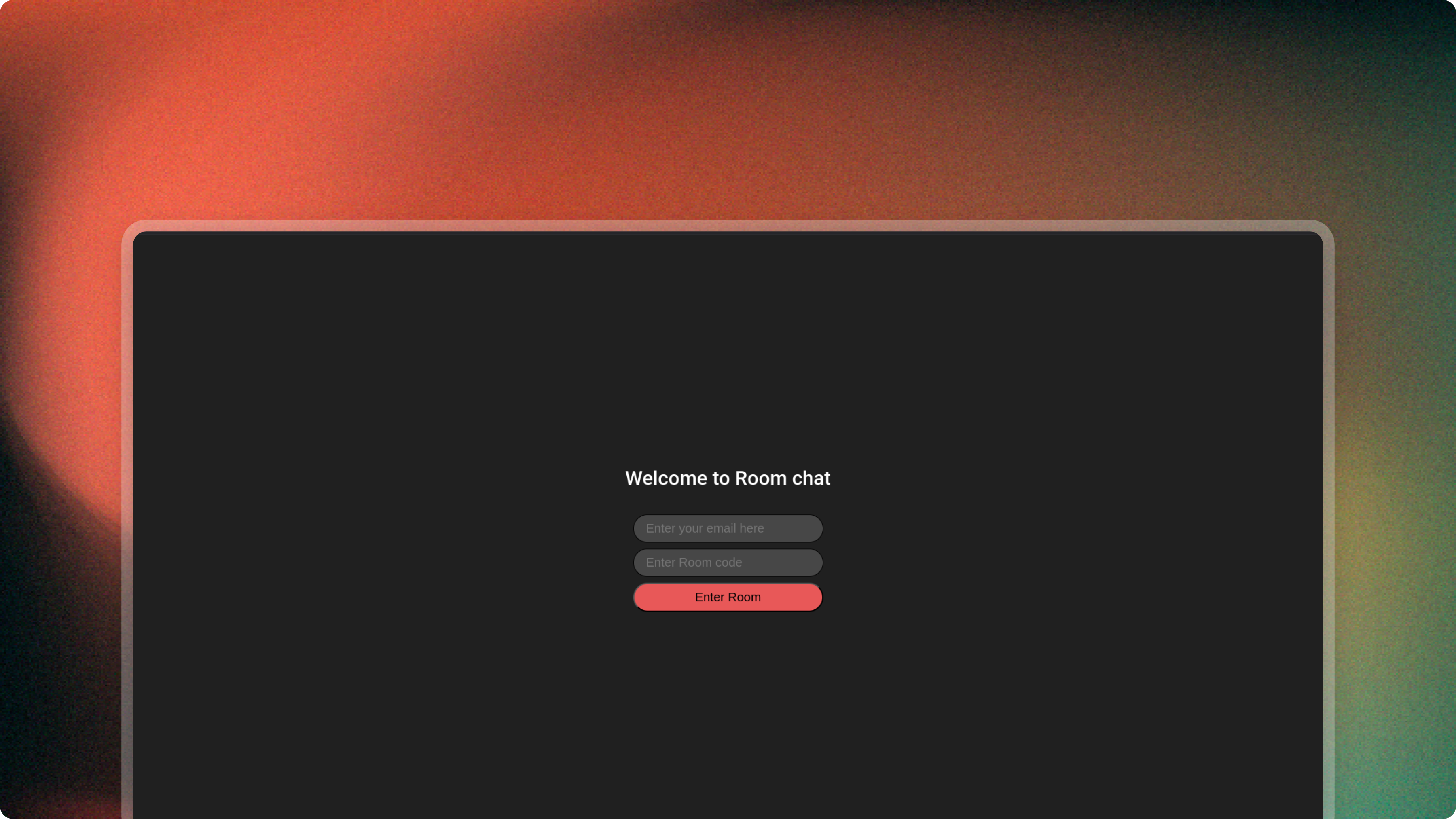
PoC for Video Caller
A simple video calling app using WebRTC.
Overview
Video Caller is a simple real-time video calling application built to explore how WebRTC enables peer-to-peer media communication.
The project focuses on understanding the core mechanics behind browser-based video calls, including connection negotiation, media streaming, and signaling between clients.
Rather than building a full production video platform, this project was designed as a hands-on experiment to understand the building blocks behind modern video communication systems.
Problem
Video communication platforms rely on complex technologies such as WebRTC, peer-to-peer networking, and signaling servers.
While using video platforms is common, the underlying connection process is often abstracted away by libraries and infrastructure.
The goal of this project was to understand how two browsers establish a direct media connection and exchange audio/video streams in real time.
Constraints
- Peer-to-peer networking – connections must be established directly between browsers.
- Signaling requirement – peers need a server to exchange connection metadata.
- Browser compatibility – WebRTC APIs vary slightly across browsers.
- Minimal infrastructure – the project focuses on core WebRTC concepts rather than full-scale conferencing.
Key Engineering Decisions
WebRTC for peer-to-peer media streaming
WebRTC was used to establish direct connections between browsers for transmitting video and audio streams.
Reason:
WebRTC enables low-latency peer-to-peer media communication without routing video through a central server.
Tradeoff:
Connection negotiation and NAT traversal can be complex.
Socket.IO signaling server
A lightweight signaling server built with Node.js and Socket.IO handles the exchange of connection metadata between peers.
This includes:
- session descriptions (SDP)
- ICE candidates
Reason:
WebRTC peers require a signaling mechanism to negotiate connections before establishing direct media streams.
Tradeoff:
Although media streams are peer-to-peer, signaling still requires a central server.
Simple room-based connection model
Users join a room where signaling messages are exchanged to initiate the WebRTC connection.
Reason:
Rooms simplify peer discovery and connection setup.
Tradeoff:
Room management logic must handle users joining and leaving sessions.
Results
- Implemented a working peer-to-peer video calling system.
- Built a signaling server using Node.js and Socket.IO.
- Enabled real-time audio and video streaming between browsers.
- Gained hands-on experience with WebRTC connection negotiation.
Takeaways
Building this project helped demystify how browser-based video communication works.
Key lessons:
- WebRTC relies heavily on signaling servers for connection negotiation.
- Peer-to-peer media streaming can achieve very low latency.
- NAT traversal and ICE candidate exchange are critical parts of the connection process.
- Even simple video calling requires coordination between multiple real-time systems.
Related content
Nestly
(Internship Project)A real-time chat application with features like DMs, Server/Channel-based messaging, voice and video chats, screen-sharing etc.
HireMe
(Hackathon Project)An AI-powered interview platform with live video, face expression tracking, and real-time coding evaluation.
PoC for video Streams
(Not deployed)Implemented video streaming using Socket.io and FFmpeg.